
There is week evidence that health literacy alone translates in behaviour change.
All values addressed in the educational activities are conducive to better social, emotional, mental and physical health states.
Teaching what matters for life
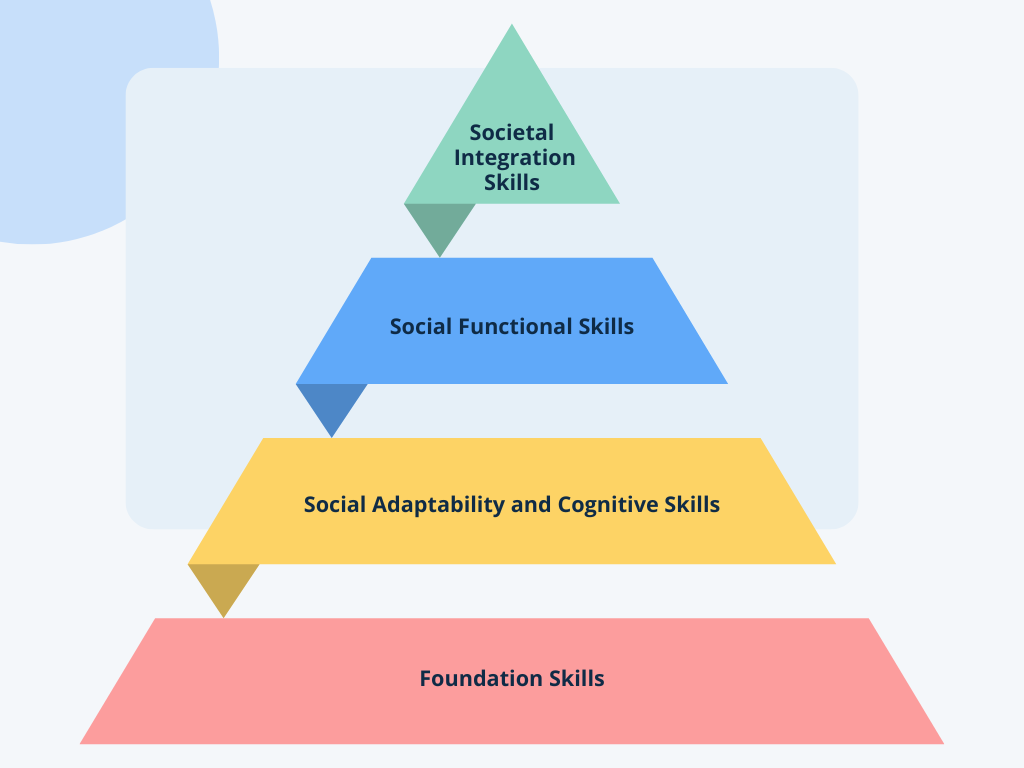
AHI model’s approach to teaching is based on the idea of the children finding a solution to a problem. The AHI model argues that school children cannot directly impart health information, and that experience can better enable students to construct their own knowledge. AHI has developed several activities to provide such experiences.
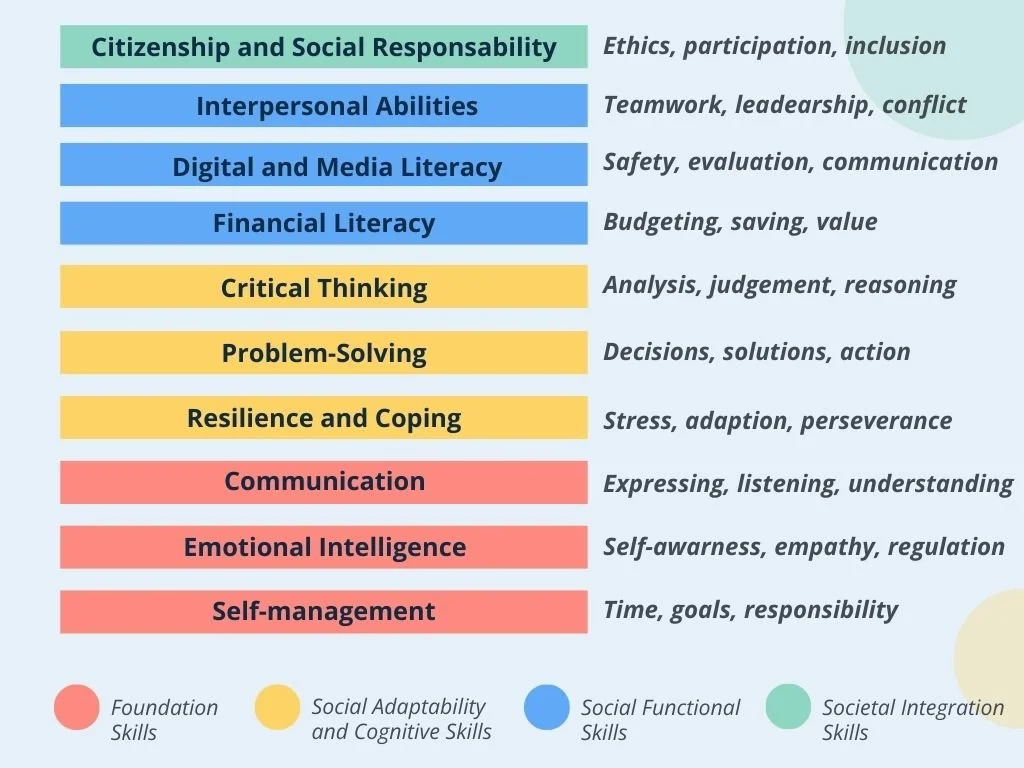
Health teaching aims to provide access to health-related knowledge, attitudes, values. Life skills teaching aims to developing high self-esteem, aspiration, and providing the mental strength to overcome the structural and mental barriers.
The AHI model advocates a realistic, step-by-step structural approach, grounded in emotional intelligence, critical analysis, and problem-solving to promote mental health resilience in socially deprived communities.
Teaching approch
The AHI model approach to teaching is based on the idea that value is placed on discovering solutions together. Schoolchildren construct knowledge, rather than just passively taking in information.
AHI has developed several educational activities to provide experience and to construct knowledge. As they experience the world and reflect upon those experiences, school children build their own representations and incorporate new information into their pre-existing knowledge.
Life skills
Teaching what matter for life
Health literacy
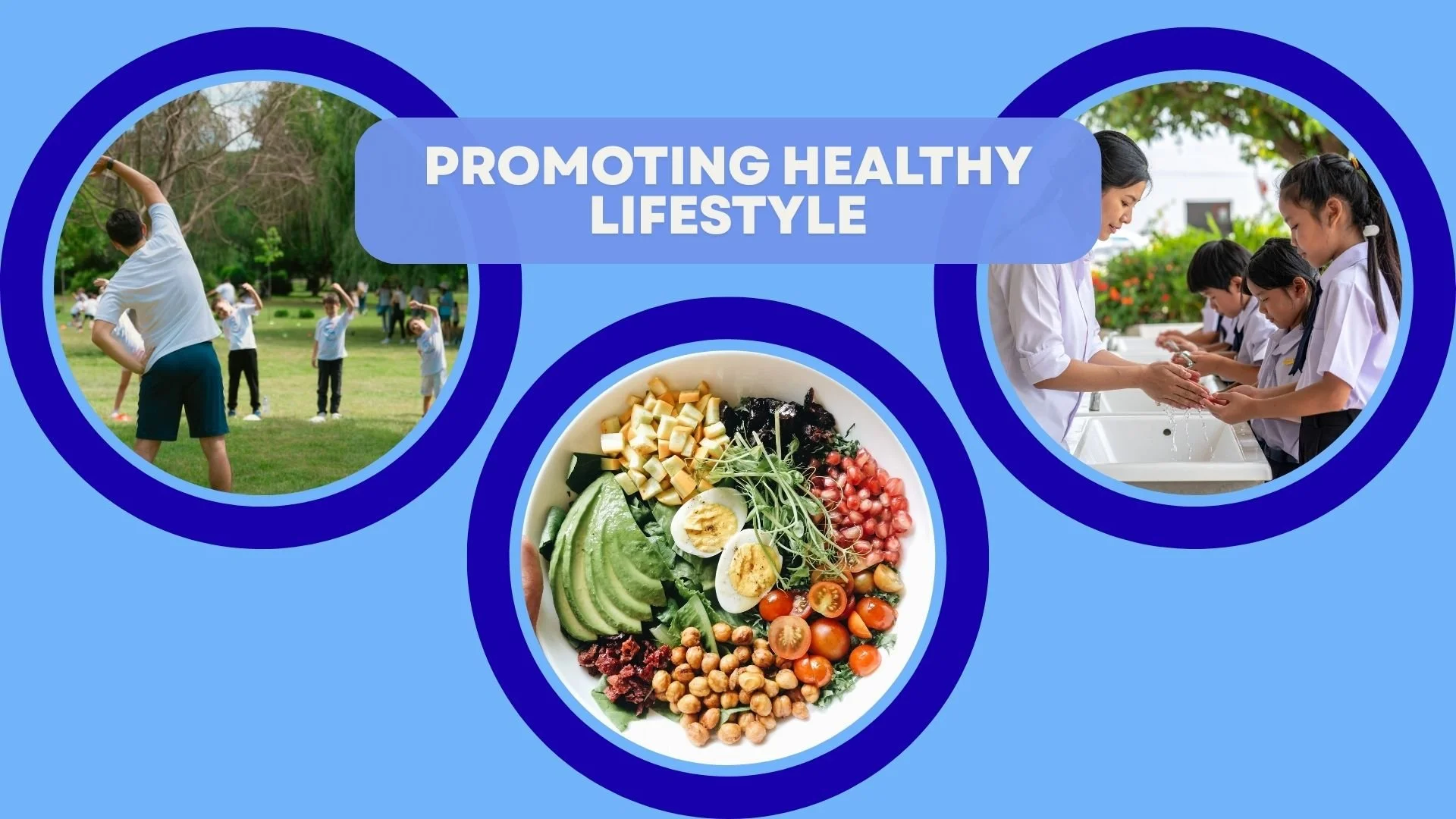
The AHI model focusses on modiafiable protective health behaviours. The topics are diet (nutrition), hygiene, physical activity, self-care and engagement with preventive healthcare.
Community education
The AHI model acknowledges the importance of parents on education of their children and involve them in educational activities such as the Quiz and the Health Detective game. These activities aim to motivate the whole school community to strive to uncover their true potential and overcome their weaknesses.
By engaging the whole school community in key areas of education, AHI model extent the school teaching to parents, as they are the determinants of home life style.
Importantly, these are free community entertaining with learning benefits. It is fun, and the learning through play quiz and the health detective game help enrich learning and develop key skills such as inquiry, expression, experimentation, and teamwork.
Furthermore, it motivates the community to attend and retain the information presented in the community evening talk, which is the subject of the following quiz game. Moreover, it develop knowledge, intelligence, sense of community and belonging, social interaction, which also improves physical and mental health.
These educational activities have uncountable number of benefits: higher reasoning; decision-making; problem-solving; creative and critical thinking; communication and interpersonal skills; self-awareness and empathy; assertiveness; self-control; self esteem, and strategies for coping with emotions and stress.
Developing these attributes improves: resilience; health and social behaviour (e.g.: caring for oneself and others, trust, attachment, tolerance of others, reciprocity); social capital (e.g.: family ties, friends/friendship ties, and social networks); and prevents violence and radicalisation among community members.
Classroom teaching format
Each learning topic is introduced by a video animation, drama or storytelling presentation. This is followed by a quiz game; a debate; a topic-based group discussion; and a concluding session when the schoolchildren set a goal aiming for behavioural change. In the group discussion, the teacher interacts with the children to address knowledge gaps identified in the quiz game and to identify solutions to the barriers identified in the debate. Goal-setting is in the hands of the children and they must set them. The teacher may need to help them with this through questions such as "what will you do?" or "what would you like to get out of this topic?"